






Support Mikvah.org This High Holiday Season

Help us continue providing essential resources and education to the community

Recent Donors
Anonymous
$25.00
Anonymous In Memory of ברכה בת הרון, משב בן דובר
$100.00
Anonymous
$100.00
Anonymous
$40.00
Anonymous
$9.00
Anonymous
$10.00
Anonymous In Memory of Yitzchak Yosef Ben Eliyahu, Yaakov Ben Moshe, Shoshana Bas Shlomo, Dovid Menachem Mendel Ben Zev
$180.00
Anonymous In Memory of L'ilui Nishmat Rochel Bas Yisroel Halevi A"h
$180.00
Chana Rivkin In Honor of ליפמאן בנימין בן דבורה לאה וחנה בת מלכה
$18.00
Anonymous
$25.00
Anonymous
$50.00
Anonymous
$18.00
Anonymous
$20.00
Anonymous
$18.00
Anonymous
$36.00
Anonymous
$36.00
Anonymous In Memory of Raizel Laber
$25.00
Anonymous
$25.00
Anonymous
$72.00
Anonymous
$54.00
Anonymous
$101.00
Anonymous In Memory of Pari Bat Yaakov And Ithakh Ben Meir
$180.00
Anonymous
$180.00
Anonymous
$5.00
Anonymous
$36.00
Anonymous
$10.00
Anonymous
$54.00
Anonymous
$36.00
Shmuel Kotlarsky
$460.00
Anonymous
$18.00
Anonymous
$613.00
Anonymous
$8.62
Anonymous
$18.00
Yocheved Zuntz In Honor of Birth of Menachem Mendel Ben Chaya Mushka Zuntz
$122.45
Anonymous
$7.00
Anonymous
$800.00
Anonymous
$100.00
Anonymous
$36.00
Anonymous
$54.00
Anonymous
$18.00

Ten Ancient Mikvahs, From Jerusalem and Beyond

Ten Ancient Mikvahs, From Jerusalem and Beyond

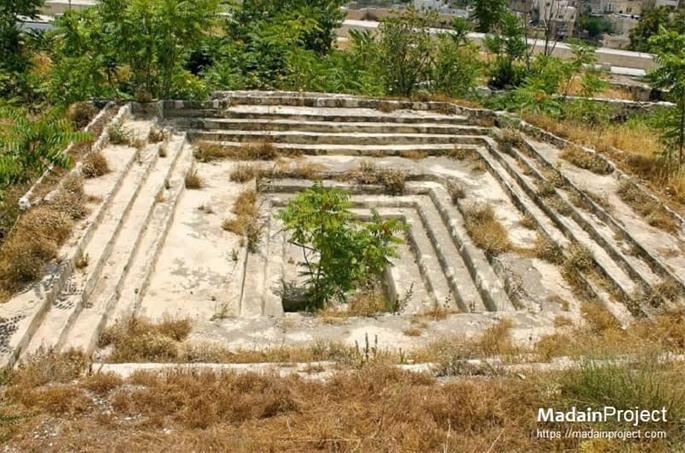
Ritual purity has always been a treasured mitzvah for the Jewish people, evidenced by the numerous ancient mikvahs discovered by archeologists throughout the Land of Israel, the Mediterranean basin, and Europe. Wherever Jews settled, they built mikvahs.

Last week, we took a tour of some of the world's most beautiful mikvahs. This week, we will explore some of the oldest.

While the primary function of the mikvah today is to allow a husband and wife to be together after menstruation, during the Temple era ritual purity was also necessary for many other aspects of everyday life, including entering the Temple Mount, handling sacred foods (such as Temple offerings and the priestly gifts), or even handling food that would be eaten on a high order of purity. For this reason, mikvahs were often found near olive and wine presses, in addition to in homes and near the actual Temple complex.

Chabad.org